

Creating a productive home office environment can make a significant difference in how effectively you work from home. Whether you’re new to remote work or looking to improve your current setup, these tips will help you design a space that supports focus, comfort, and efficiency.
Choose the Right Location
Find a Quiet Space
Select a spot in your home where you can minimize distractions. Ideally, it should be away from heavy foot traffic, noisy appliances, or areas where family members gather. A dedicated room is best, but if that’s not possible, choose a quiet corner and use room dividers or screens to define your workspace.
Consider Natural Light
Natural light can boost your mood and energy levels. Position your desk near a window if possible, but avoid direct glare on your computer screen. If natural light is limited, invest in full-spectrum bulbs that mimic daylight to keep your space bright and inviting.
Invest in Comfortable Furniture
Ergonomic Chair
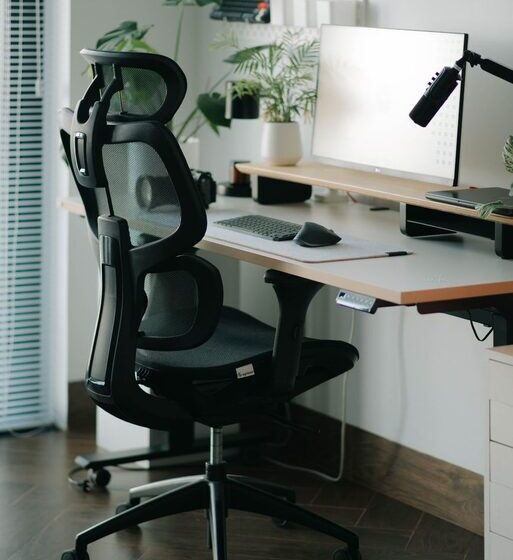
A comfortable, supportive chair is essential for long hours of work. Look for chairs with adjustable height, lumbar support, and cushioned seats to reduce strain on your back and neck. Ergonomics play a key role in preventing fatigue and discomfort.
Suitable Desk
Choose a desk that fits your space and provides enough surface area for your computer, keyboard, and other essentials. Standing desks or adjustable sit-stand desks are great options if you want to vary your posture during the day.
Organize Your Workspace
Declutter Regularly
Keep your desk clean and clutter-free. A tidy workspace reduces distractions and promotes clearer thinking. Use organizers, trays, or drawers to store paperwork and office supplies neatly out of sight.
Use Digital Tools
Digitize documents and use apps for task management, calendars, and note-taking. This reduces physical clutter and helps you stay organized. Consider tools like Trello, Evernote, or Google Keep to track your work efficiently.
Set Up Technology Wisely
Reliable Internet Connection
A stable and fast internet connection is vital for video calls, file sharing, and online research. If your Wi-Fi signal is weak, consider using a wired Ethernet connection or Wi-Fi extenders.
Essential Equipment
Ensure your computer, monitor, keyboard, mouse, and other peripherals are comfortable and functional. Two monitors can boost productivity by making multitasking easier. Don’t forget good quality headphones for clear audio during virtual meetings.
Minimize Distractions
Establish Boundaries
Communicate your working hours clearly with family or housemates to prevent interruptions. Use “do not disturb” signs or headphones to signal when you’re deep in focus mode.
Manage Notifications
Turn off unnecessary alerts on your phone and computer. Designate times to check emails and messages to avoid constant disruption.
Create a Comfortable Atmosphere
Temperature and Air Quality
Keep your workspace at a comfortable temperature and ensure good ventilation. Poor air quality can affect concentration and energy levels, so a small air purifier or a few indoor plants can help.
Personal Touches
Add elements that make the space inviting and motivating. This could be artwork, inspirational quotes, or a few plants. However, avoid overcrowding your desk with too many decorations.
Establish a Routine
Regular Breaks
Take short breaks every hour to stretch, hydrate, and rest your eyes. This helps prevent burnout and maintains productivity throughout the day.
Consistent Schedule
Start and end your workday at consistent times to create good habits and separate work from personal life. Use calendars or reminders to keep track of meetings and deadlines.
Incorporate Healthy Habits
Proper Lighting
In addition to natural light, include task lighting to reduce eye strain, especially during evening hours. Desk lamps with adjustable brightness can be particularly useful.
Movement and Exercise
Include space to do simple stretches or exercises during breaks to stay energized. Setting a timer as a reminder to stand or move can improve both comfort and focus.
Conclusion
Setting up a productive home office environment is about combining comfort, organization, and good habits. By choosing the right space, investing in ergonomic furniture, minimizing distractions, and maintaining a consistent routine, you can create a workspace that helps you stay focused and enjoy working from home. Remember, small changes can lead to big improvements in your productivity and well-being.