
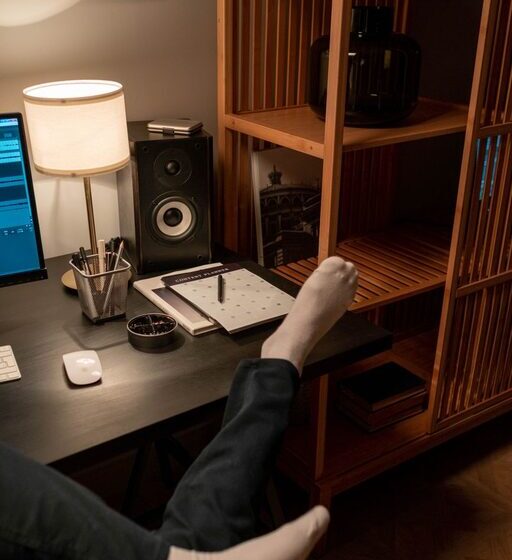

Creating a relaxing home workspace is essential for maintaining focus, reducing stress, and improving overall productivity, especially as more people spend time working from home. A thoughtfully designed workspace can help you feel comfortable, motivated, and balanced throughout your workday. Whether you have a dedicated room or just a small corner, these tips will guide you in creating a calm and inviting home office.
Choose the Right Location
Selecting the best spot for your workspace is the first step. Ideally, this should be a quiet area with minimal distractions. If you have multiple options, choose a place with good natural light – it helps improve mood and reduce eye strain.
– Avoid noisy or high-traffic areas
– Consider using a room divider or a screen if you share space with others
– Place your desk near a window for fresh air and daylight when possible
Invest in Comfortable and Supportive Furniture
Comfort plays a huge role in how relaxed and productive you feel during work hours. A good chair and desk setup can prevent physical discomfort and fatigue.
– Choose an ergonomic chair with proper lumbar support
– Opt for a desk height that allows your arms to rest at a 90-degree angle
– Add a footrest or adjustable chair height for better posture
Keep Your Workspace Organized
Clutter can increase stress and distract you from your tasks. An organized space promotes calm and efficiency.
– Use storage solutions like shelves, filing cabinets, or desk organizers
– Keep necessary supplies within reach to avoid disruptions
– Make a habit of tidying your desk at the end of each day
Use Soothing Colors and Decor
Colors impact mood and energy. Soft, neutral tones like light blues, greens, or beige can create a tranquil atmosphere.
– Paint walls in calming colors or use removable wallpaper
– Add plants for a touch of nature and to improve air quality
– Incorporate personal touches like photos or artwork that inspire you, but avoid overdecorating
Manage Lighting to Reduce Eye Strain
Proper lighting is crucial for comfort and productivity. Harsh or dim lighting can cause headaches or tired eyes.
– Maximize natural light whenever possible
– Use adjustable desk lamps with warm light tones for focused tasks
– Consider overhead lighting with dimmers to control brightness
Minimize Noise and Distractions
Background noise can interrupt your focus. Creating a quieter environment helps maintain concentration.
– Use noise-canceling headphones or white noise machines to block distractions
– Install rugs or curtains to absorb sound if necessary
– Set boundaries with family or housemates during work hours
Incorporate Relaxation Break Areas
Taking regular breaks helps reduce stress and improve creativity. Having a small area dedicated to relaxation within or near your workspace encourages these pauses.
– Place a comfortable chair or cushion nearby for short breaks
– Use a diffuser with calming scents like lavender or eucalyptus
– Play soft background music or nature sounds when working or during breaks
Set Up Technology for Efficiency
Having reliable and organized technology reduces frustration and supports smooth workflow.
– Keep cables organized using clips or sleeves to avoid tangles
– Ensure your internet connection is strong and reliable
– Choose monitors and keyboards that reduce strain and fatigue
Personalize Your Workspace Mindfully
Adding your personality to your workspace makes it welcoming but avoid clutter.
– Include items that motivate or calm you, such as inspirational quotes or favorite books
– Use desk accessories that provide utility without overwhelming the space
– Rotate decor items seasonally to keep the space refreshing
Maintain a Consistent Routine
A peaceful workspace is supported by good work habits.
– Set regular work hours to create boundaries
– Take short breaks to stretch or hydrate
– End your day by tidying your workspace to signal closure
—
By following these tips, you can create a home workspace that not only supports your work tasks but also promotes relaxation and well-being. Remember that your workspace should suit your personal needs and preferences, so feel free to adjust these suggestions as you go along. A comfortable and peaceful environment is key to enjoying your work-from-home experience.